
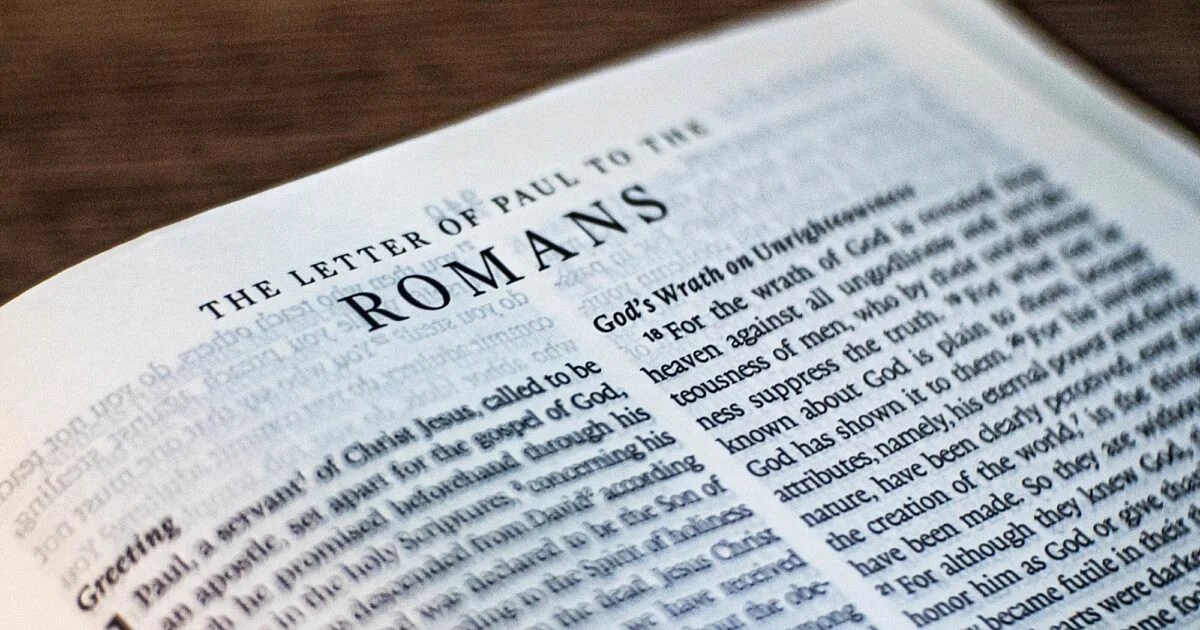
Andrew Murray, in his exposition of Romans 7, identified four characteristics of the one who cries out, “O wretched man that I am!”
First, he is a regenerate man. Paul describes a person whose heart has been changed by the grace of God. The struggle with sin is not evidence that he does not belong to Christ. Rather, his grief over sin reveals a heart made alive to God.
Second, he is a powerless man. He desires to obey God, and discovers that his own determination is insufficient. “For to will is present with me, but how to perform what is good I do not find” (Romans 7:18). Spiritual maturity is not about trying harder. Obedience definitely requires discipline and intentional effort, but no amount of determination can substitute for the power of the Holy Spirit in our lives.
Third, he is a wretched man. Paul was deeply troubled by his sin. He did not excuse it or minimize it. His failure to obey God grieved him. We should never use our struggle with sin as an excuse to continue in it. We cannot be content with the things that grieve God’s heart.
Fourth, he is a man on the brink of deliverance. This is where the Scripture becomes particularly encouraging. Paul does not end with the confession of his weakness. He asks, “Who will deliver me?” Immediately the answer comes: “I thank God- through Jesus Christ our Lord!” He does not ask what will deliver him, but who. The hope of the believer is found in Jesus Christ.
Romans 8 emphasizes the glorious ministry of the Holy Spirit. The Spirit provides victory over sin, power for obedience, and genuine holiness. The indwelling presence and power of the Holy Spirit are essential for the believer every moment of every day.
We have to come to the end of ourselves to a place of surrender, so that we can fully recognize our dependence on God. None of us can live the Christian life in our own strength.
Confess your sin, turn to Christ in repentance, and depend on the Holy Spirit!
Andrew Murray, “The Believer’s Absolute Surrender, “O Wretched Man That I Am!” (chap.11), 113-120.

